Parent Resources for Early Childhood Special Education
Parent Resources for Early Childhood Special Education
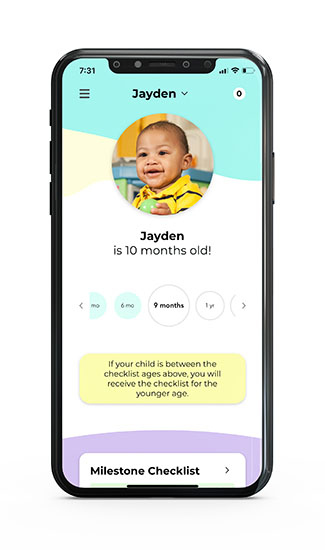 Understanding My Child's Developmental Stages
Developmental Milestones (English and Spanish)
Milestones in Action-Videos for Each Stage of Development
Parent Assistance Organizations
Birth to 5 Helpline
Birth to 5 Helpline is a free service available to all Arizona families with young children, as well as parents-to-be, with questions or concerns about their infants, toddlers, and preschoolers. You can ask about anything: sleep, feeding, fussiness, tantrums, parenting, etc. Call the Helpline to speak with one of the bilingual (English/Spanish) early childhood specialists on duty Monday through Friday from 8:00 a.m. to 8:00 p.m. You can also leave a voicemail, complete our online contact form, or text the Helpline 24 hours a day, seven days a week. For free child development support:
Call 877-705-KIDS (5437) for Free Child Development Support
Encircle Families
Arizona's Parent Information Center: Encircle Families is a statewide parent organization that provides support and information (English and Spanish) for parents of children with a full range of disabilities and health care needs from birth to age 26. tel:602-242-4366
Encircle Families helps families:
- Obtain appropriate education and services for their children with disabilities
- Work to improve education results for all children
- Resolve problems between families and schools or other agencies
- Connect families to community resources that address their needs
- Training & Events

Native American Disability Law Center
Parent's Guide to Special Education: Guides parents through the special education maze, covering eligibility, the Individualized Education Program (IEP), available services, and how to advocate on your child's behalf.
Procedural Safeguards/Parent's Rights
- Procedural Safeguards explained
- Procedural Safeguards
- Aviso de las Salvaguardias Procesales
- Family Educational Rights and Privacy Act (FERPA)
- Traveling the Special Education Highway
- Viajando por la autopista de la educación especial
Preschool Disability Specific Information
- Visual Impairment
- Hearing Impairment, Hearing Loss
- Speech Language Impairment
- Severe Delays in Preschool
Special Education Process
The Individuals with Disabilities Education Act (IDEA) is the federal law that defines and regulates special education. The law requires public schools to provide special education services to children ages 3 to 21 who meet certain criteria. (Children younger than 3 can get help through Arizona's Early Intervention Services.) The following resources are included to provide an overview and general information about the special education process.
- Preschool Special Education Disability Categories-Eligibility Definitions
- Flow Chart Preschool Special Education Evaluation Process
- Evaluating School-Aged Children for Disability
- Developing Your Child's IEP
- Locate a School District Near Me
- Early Intervention Services for Ages 0-3
- Early Intervention Services Brochure
Transitions from Early Intervention
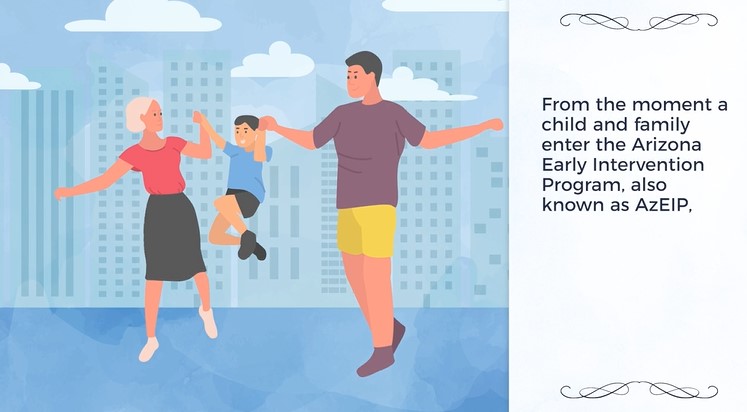
Children who received services through the Arizona Early Intervention Program, or AzEIP, will be offered the opportunity to receive special education services from their local school district. Preschool special education programs are available starting at age three. The Early Intervention team will hold planning meetings to discuss the options available. They will connect families with schools and programs that they are interested in learning about. The transition activities and discussions start when your child begins early intervention, but a Transition Planning Meeting will be held when your child is two and one-half years old. The Early Intervention Transition Committee created these helpful videos to describe the process for families.
Video of Early Intervention Transition to Preschool
Preschool Placement Options
The Individuals with Disabilities Education Act states that each public agency must ensure that-- "To the maximum extent appropriate, children with disabilities, including children in public or private institutions or other care facilities, are educated with children who are nondisabled; and Special classes, separate schooling, or other removal of children with disabilities from the regular educational environment occurs only if the nature or severity of the disability is such that education in regular classes with the use of supplementary aids and services cannot be achieved satisfactorily." Each child is entitled to participate in the least restrictive environment (LRE) as determined by the IEP team.
The LRE requirements apply to all children with disabilities, including preschool children who, because of their identified disability, are entitled to a free appropriate public education. If a public agency determines that placement in a private preschool program is necessary as a means of providing special education and related services to a child with a disability, the program must be at no cost to the parent of the child. The continuum of placement options includes a regular education classroom, a special education classroom, a special education school, home placement, hospital or residential facility.

Early Childhood Outcomes
Schools are required to assess the progress of all preschool children with disabilities who receive services each school year. In Arizona, teachers take note of how children approach and accomplish daily activities and routines and then compare this to what is expected for each age group.
Ongoing observations from the fall, winter, and spring provide teachers with information about how each child is progressing during the year. This required data reporting allows teachers to gauge the effect of instructional activities and interventions. Teachers document children's progress across all learning domains, including positive social-emotional skills, language, literacy, math, and self-help skills.
Families are very important to child outcomes data reporting. Families can assist teachers by sharing information about their child’s progress at home and in the community. The document below, titled “Parent and Teacher Shared Observations Activities” further describes the areas that are being assessed. The document also offers interactive questions and activities that will help teachers and parents to have a shared discussion about a child’s progress and achievements at home and in the community.
Related Services

Related services are defined as transportation and such developmental, corrective, and other supportive services as are required to assist a child with a disability to benefit from special education. It might include such things as speech-language pathology and audiology services, interpreting services, psychological services, physical and occupational therapy, recreation, including therapeutic recreation, and Assistive Technology.
- Parent Center Hub Information on Related Services
- Related Services Information from Understood.org
- Transportation as a related service
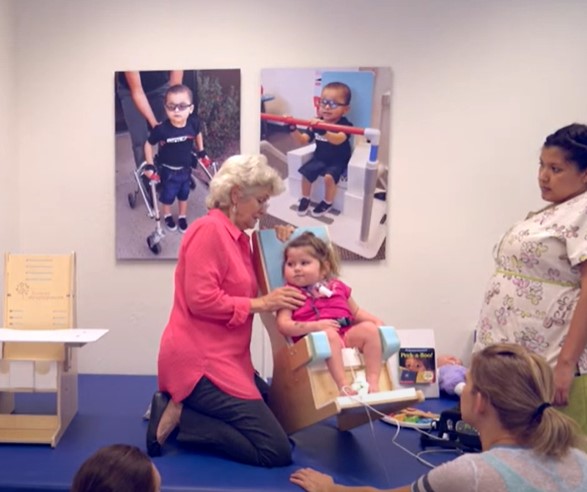
Southwest Human Development and Easter Seals support families to identify and build needed Assistive Technology equipment. The ADAPT Shop's specialists work with families of children ages 0-5 to help children become independent participants in their home, school, and community (video).
Page revised 08/2025