MOWR Administrators
Each school literacy plan reports the K-3 literacy efforts to be implemented in the coming school year. Per A.R.S 15-704, schools report the K-3 evidence-based core and intervention reading programs, comprehensive assessment systems, professional development, as well as copies of each grade’s ELA block schedule, required parent notifications, and MOWR allocation spending. Find helpful documents in the MOWR Guidance Padlet to assist you in the MOWR Literacy Plan submission process, as well as your system-wide literacy processes.
Literacy Plan Submissions Guidance
Assessment (Screening, Diagnostic, Progress Monitoring)
K-3 MOWR Assessment Requirements
A.R.S §15-704 (A.) requires each school district or charter school that provides instruction in K-3 to select and administer screening, ongoing diagnostic, and classroom-based instructional reading assessments to monitor student progress. Each school shall use the diagnostic information to plan evidence-based, appropriate, and effective instruction and intervention. Learn more about the specific purpose and administration of each assessment type and how they apply to Move On When Reading. Click on the interactive document: Move On When Reading Assessment Requirements
Universal Literacy and Dyslexia Screener
The current list will be reviewed again in 2027 to ensure that all Universal Literacy and Dyslexia Screeners meet Arizona early literacy legislation and policy, including providing accommodations for students with disabilities.
Universal Literacy & Dyslexia Screener Guidance and Approved List
This comprehensive guide is intended to assist school and district leaders with the literacy MTSS process, including ADE's guidance on the use of literacy screening to include the screening for characteristics consistent with dyslexia.
English Learners will participate in this process alongside their native English-speaking peers. Schools should take extra care in reviewing the universal screener data for English Learners. Review these ADE recommendations.
Diagnostic Assessments
This document provides additional information about diagnostic assessments, as well as some possible suggestions: Diagnostic Assessment Information. These documents provide a deeper explanation of what a universal screener is and what a diagnostic assessment is: Universal Screener vs. Diagnostic Assessment.
Professional Development
Professional Development Guidance Per A.R.S §15-704 (D), all school districts and charter schools that offer instruction in kindergarten programs and grades one through three shall provide ongoing teacher training based on evidence-based reading research.
Dyslexia Training Designee Certificates
Each school literacy plan will include information for the designated DTD(s) on their campus for this school year. Certificates will be loaded into the portal for only one DTD per campus.
Certificates must include:
- Title of training/course/module
- Name of the vendor/training organization
- Name of participant
- Date/s of the learning opportunity M/Year
- The specific focus area/s of the training/module: Understanding and Recognizing Dyslexia (URD), Instruction (I), and/or Intensifying Instruction (II)
- Number of clock hours completed
To ensure all DTDs are provided with relevant research, training must have been completed since 2018. Also, not all trainings before 2022 met all the Understanding and Recognizing Dyslexia (URD) RFI requirements. It is the responsibility of each school to ensure that its chosen training for the URD category includes all RFI requirements as determined at the time of approval. For all Reading Instruction and Intensifying Instruction trainings, DTD certificates must match the same version listed on the approved list.
Schedules
Reading Block Schedules
At all times throughout any given K-3 school year, all children receive 90+ minutes (or 450+ minutes per week) of high-quality instruction from an ESSA evidence-based core reading program (Tier 1) in whole group and differentiated small groups. This core reading block is dedicated to reading standards. All schools submit their K-3 schedule directly within the literacy plan. The schedule should reflect Tier 1 minutes for each K-3 grade level served, including additional intervention periods outside the Tier 1 block.
For both the daily and weekly schedule, reading and language arts activities should be incorporated into other instructional areas, and rich content should be incorporated into reading and language arts. These decisions are made at the local level based on student needs.
DEFINING THE INSTRUCTIONAL CALENDAR
The purpose of these policies and procedures is to guide all school districts and charter districts throughout the State of Arizona on the rules and regulations, including Arizona Revised Statutes (A.R.S.), which must be followed in the reporting of information to the School Finance Unit of the Arizona Department of Education (ADE). These include calendar requirements, minimum annual school days, scheduling limitations, and minimum instructional time. Visit the School Finance External Guidelines page for more information.
Parent Letters
Updated parent notification letter templates are available on the guidance Padlet. (at top of page)
New this year:
- Keep the letters on the MOWR letterhead
- Do not edit, or delete any content on the letters
- You may add a cover letter with additional information if it does not contradict the verbiage of each letter
- Please label each attachment with the school’s name
As part of your literacy plan submission, when you upload the parent notification letter templates to the MOWR portal, including the date(s) the letters were sent and your school-specific information, you are certifying that:
- The content of the letter has not been altered in any way.
- For the At-Risk Notification Letter (Letter 2), all required checkboxes have been completed, and all student-specific information and narrative sections have been fully individualized and completed prior to distribution to the parent or guardian.
Parent Notification
School districts and charter schools must provide annual written notification to parents of students in grades K-3 informing them of Arizona's Move on When Reading laws.
Letter 1 is sent to all parents of students in grades K-3 upon entry and should include:
- Information about AZ's Move on When Reading law and third-grade retention policies
- Legislative exemptions to retention
Budget
MOWR Budget: The LEA Literacy Plan requires each district to report the amount of funding received for K-3 literacy for the previous school year and to estimate the amount that will be received for the current school year. The budget information will be prepopulated in the MOWR Portal.
MOWR Funding 101: MOWR allocations are intended to improve reading proficiency for pupils in kindergarten programs and grades one, two, and three, with particular emphasis on pupils in kindergarten programs and grades one and two. Click on MOWR Funding 101 to see how these funds can and should be spent.
If you have any questions about K-3 reading funds, please contact [email protected] or 602-364-2262.
Promotion/Retention and Summer School
For commonly asked Move On When Reading questions, please see the appropriate category on our MOWR FAQs webpage.
There is information directly related to promotion and retention, statewide assessments, and summer school.
Literacy Resources
RESOURCES
| Resource Image | Resource Description |
|---|---|
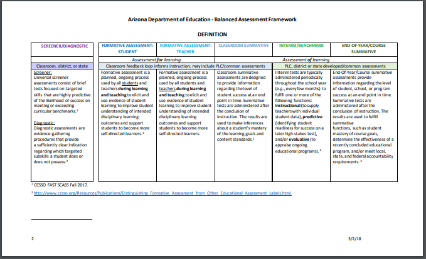 |
Balanced Assessment Framework: The Every Student Succeeds Act (ESSA) emphasizes the need for a balanced assessment system. The analysis of an assessment system begins with establishing common definitions and common understandings of the purpose of each different type of assessment. |
 |
Developing a Thriving Reader From the Early Years: A Continuum of Effective Literacy Practices is a guide for practitioners provided by the Read On Arizona Organization. It can be a key piece to helping you write your literacy plan. All components in an effective literacy plan are described in this pamphlet. |
 |
The Dyslexia Handbook is designed for teachers and administrators to help them recognize and address the struggles of students with dyslexia. Educators at all levels must have a deep understanding of reading to pinpoint gaps in student learning. This document also provides technical assistance to support families. |
 |
The Florida Center for Reading Research (FCRR) is a multidisciplinary research center at Florida State University. FCRR explores all aspects of reading research—basic research into literacy-related skills for typically developing readers and those who struggle, studies of effective prevention and intervention, and psychometric work on formative assessment. |
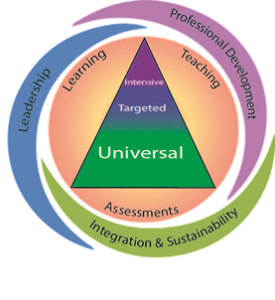 |
In Arizona, Multi-Tiered System of Support (MTSS) is defined as an infrastructural system with a tiered infrastructure that uses data to help match academic and social-emotional supports to address the needs of the whole child. Within AZMTSS, instruction/intervention is delivered across multiple tiers depending on individual student needs as identified by student outcome data. |
 |
Read On Arizona is a statewide, public/private partnership of agencies, philanthropic organizations, and community stakeholders committed to creating an effective continuum of services to improve language and literacy outcomes for Arizona’s children from birth through age eight over the next ten years. |
 |
Reading Rockets is a website that provides articles, blogs, research, and strategies on teaching reading and helping struggling readers. |
**The views and opinions expressed in any third-party resource do not necessarily reflect those of the Arizona Department of Education (ADE) and do not imply an endorsement by ADE.